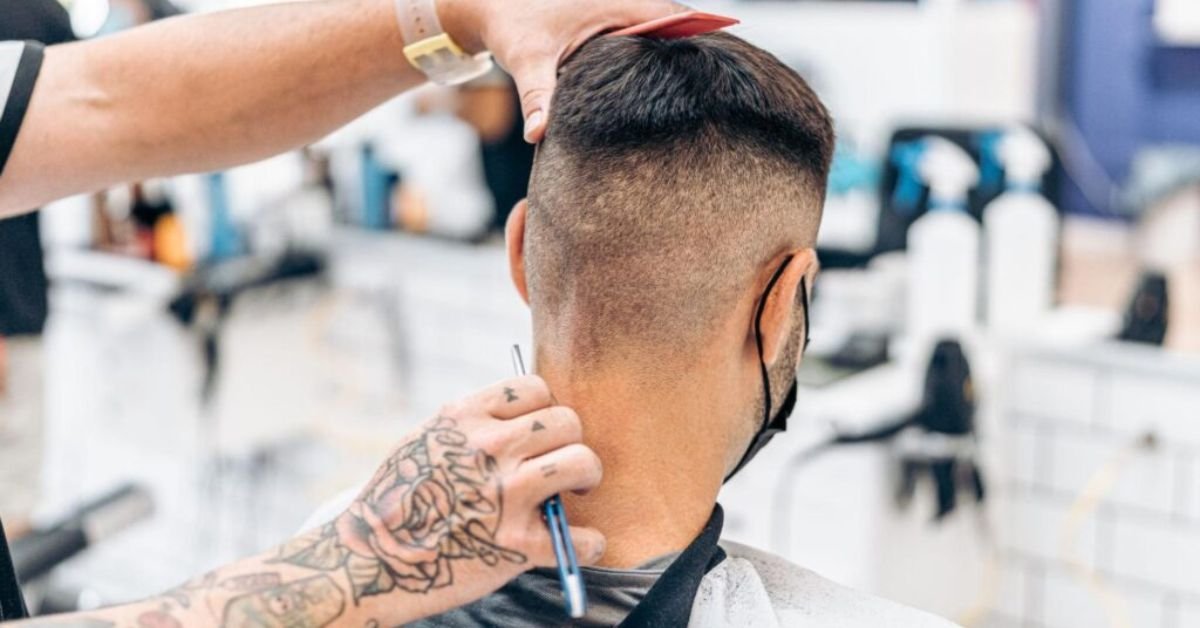
In the universe of modern barbering, few cuts offer the subtle sophistication of the low fade haircut. Unlike high-contrast styles that drop to the skin near the top of the head, the low fade is clean, understated, and incredibly versatile.
Whether you are looking for a sharp business-professional look or a relaxed weekend style, a low fade provides a clean taper that frames your head perfectly without taking away from the length on top.
In this ultimate guide for Barber HQ, we will explore what a low fade is, its best variations, who it suits best, and how to style and maintain it.
What is a Low Fade Haircut?
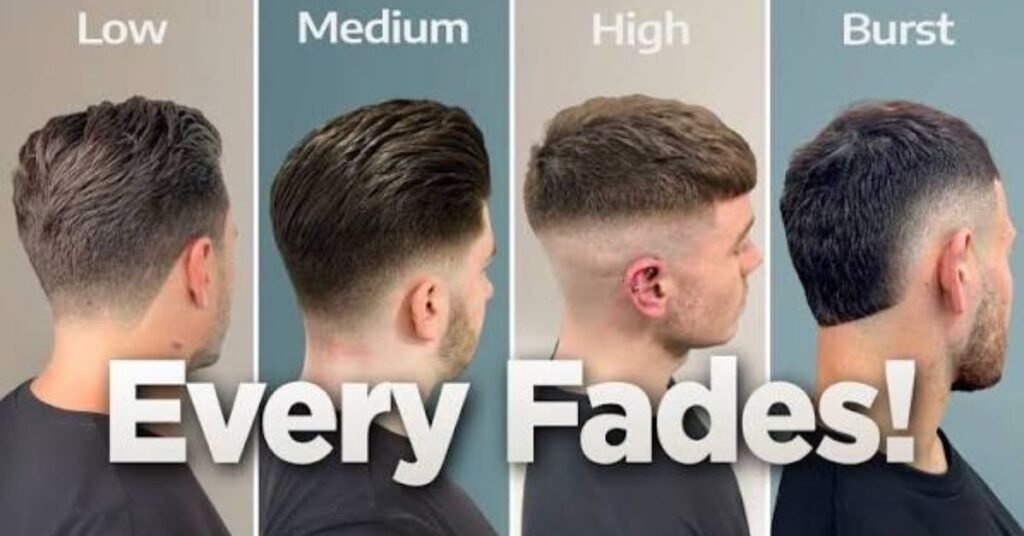
A low fade haircut is a tapering technique where the shortest part of the cut begins low down on the sides and back—typically starting right above the ears and dropping down near the nape of the neck.
Because the transition from short to long happens lower on the head, a low fade leaves more hair on the sides than a mid or high fade. This creates a softer, more gradual blending effect that works seamlessly with almost any hair texture or top length.
Top Low Fade Haircut Styles
The beauty of the low fade lies in its compatibility with virtually any top hairstyle. Here are the top low fade combinations dominating barbershops right now:
1. Low Skin Fade (Low Drop Fade)
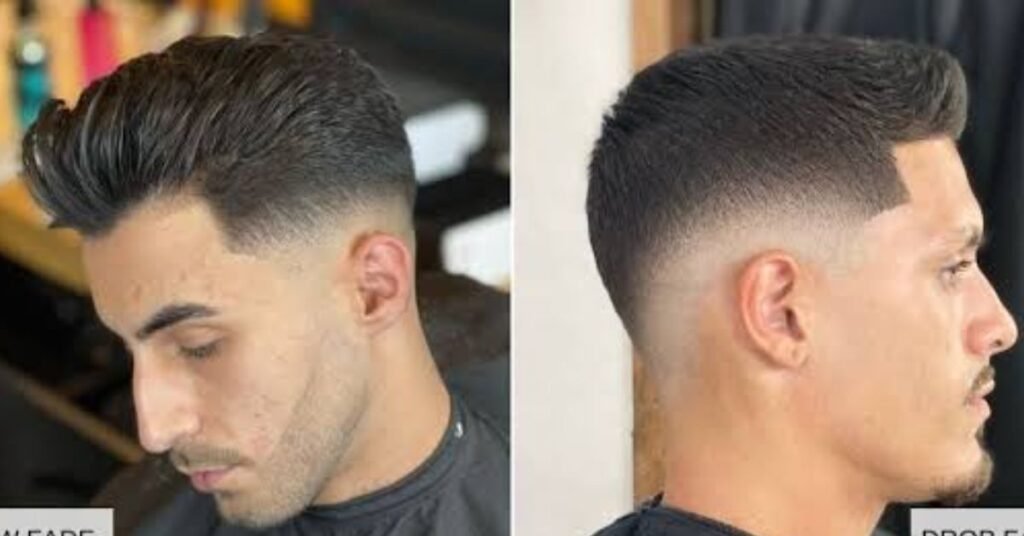
For guys who want a clean skin finish without a loud overall look. The lower perimeter is shaved down to the bare skin, curving downward behind the ear to follow the natural contour of the skull.
2. Low Taper Fade
The cleanest of all corporate options. A low taper fade focuses the blend strictly around the sideburns/temples and the bottom line of the neck, keeping maximum natural bulk along the sides.
3. Low Fade with Textured Quiff or Pompadour
Pairing a low fade with a high-volume top creates a classic silhouette. The subtle low fade cleans up the edges, drawing all visual focus to the styled hair on top.
4. Low Fade with Curly / Wavy Hair
Natural curls and waves pop when framed by a low fade. It removes weight from around the ears and neck while keeping your natural texture full and intact everywhere else.
5. Low Fade Buzz Cut
If you prefer short, zero-effort hair, combining a #2 or #3 guard buzz cut on top with a crisp low skin fade gives a military-inspired cut an instant modern touch.
Low Fade vs. Mid Fade vs. High Fade
Not sure which height is right for you? Here is how the low fade compares:
| Feature | Low Fade Haircut | Mid Fade Haircut | High Fade Haircut |
| Starting Point | Just above the ears & nape | Temple level / middle of head | Near the crown / top curve |
| Subtlety | Very High (Subtle & neat) | Moderate (Balanced) | Bold / High-Contrast |
| Workplace Friendly | Exceptional (Fits strict offices) | Very Good | Depends on industry |
| Face Shape Match | Long, Oval, Square, Heart | Almost all face shapes | Round, Oval |
Who Should Get a Low Fade?
- Guys with Long or Oval Face Shapes: Because a low fade doesn’t eliminate all hair from the sides, it won’t make an elongated head shape look longer.
- Corporate Professionals: If your job requires a clean, conservative appearance, the low fade keeps edges sharp without looking overly aggressive.
- Men Growing Out Their Hair: If you are transitioning to longer hair, a low fade lets you clean up the neckline and ears without sacrificing growth on top.
How to Ask Your Barber for a Low Fade
When sitting down in the barber chair, communicate these details clearly:
- Specify the Fade Height: Make sure to state explicitly that you want a Low fade (starting low at the ears and neck).
- Choose the Shortest Length: Tell your barber if you want it taken down to bare skin (Low Skin Fade) or left with a slight guard length like a
#1or#2. - Describe the Top & Neckline: Decide whether you want the back dropped in a curve (Drop Fade) or kept straight.
- Bring a Reference Photo: Show 1 or 2 photos of the exact look you are aiming for.
How to Style and Maintain a Low Fade
Styling Tips:
- For Short/Textured Tops: Apply a dime-sized amount of matte clay or paste to dry hair to build messy texture without adding shine.
- For Slick / Classic Tops: Use a medium-shine pomade and a fine-tooth comb to sweep hair neatly to the side or back.
- For Curls: Work a lightweight leave-in curl cream into damp hair to define waves and control frizz.
Maintenance:
Because a low fade leaves more hair on the head, it grows out very gracefully. While high skin fades require weekly attention, a low fade typically needs a barbershop touch-up trim every 2 to 3 weeks.
Frequently Asked Questions (FAQs)
Is a low fade good for thin or thinning hair?
Yes! A low taper fade can clean up sparse edges around the ears and neck, creating a contrast that makes the hair on top look denser and fuller.
How often do I need to trim a low fade?
Most men maintain their low fade every 2 to 3 weeks. If it’s a low skin fade, you might prefer a touch-up every 10 to 14 days.
What is the difference between a low fade and a low taper?
A low fade blends hair down short along the entire perimeter (sides and back). A low taper leaves length behind the ears and only fades two specific spots: the sideburns and the bottom of the nape.
Final Thoughts
The low fade haircut is a timeless staple in men’s grooming. Offering the perfect blend of clean edges and classic length, it gives you a sharp, fresh finish that works in every setting.